müller frères e






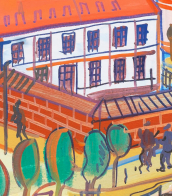



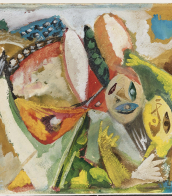
Conrad Felixmüller was a twentieth-century German artist, born Conrad Felix Müller. He is known as a painter, graphic artist, illustrator and printmaker, a representative of the New Materiality movement, who worked in the Expressionist style.
Felixmüller created about 2,500 paintings and graphic drawings, the main motif of which was the human being. The artist considered himself a socially critical expressionist, and his works reflected scenes from everyday life. In the 1930s, many of his works were confiscated by the Nazis as examples of degenerate art and destroyed. As a result of the bombing of Berlin in 1944, Felixmüller lost much of his work.



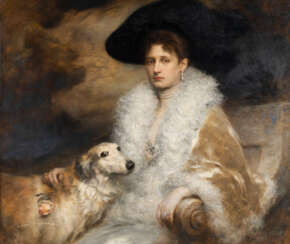

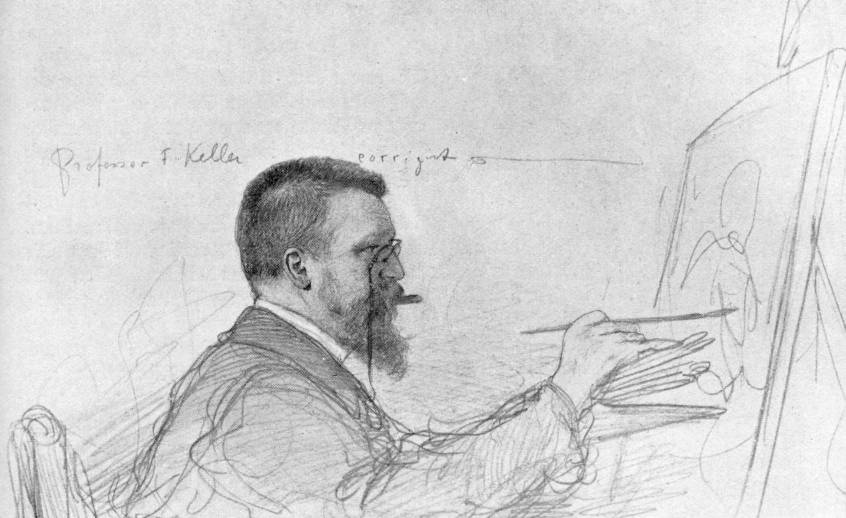
Ferdinand Keller was a German painter of the last third of the nineteenth and early twentieth centuries. He is known as a genre and historical painter as well as a teacher.
Keller earned his first major success in 1867 with his painting The Death of King Philip II of Spain. In his monumental works, he celebrated historical, dynastic, and cultural episodes in the history of Germany and Baden. One of his famous works is the painting "Apotheosis of Kaiser Wilhelm I", which was purchased by Kaiser Wilhelm II. Keller's works now grace the halls of theaters including the Baden State Theater and the Semper Opera in Dresden.
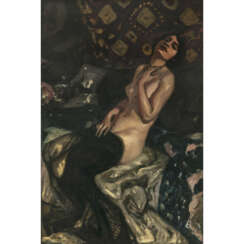

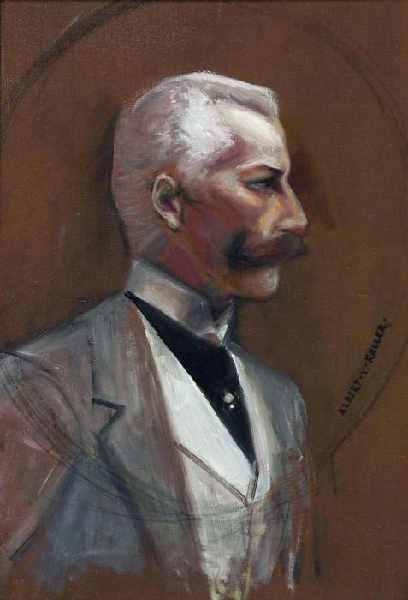
Albert von Keller was a German painter of Swiss ancestry, best known for his indoor scenes and portraits featuring female figures. Born on April 27, 1844, in Gais, Switzerland, he began his career by studying law at Ludwig Maximilian University, but his passion for art led him to the Academy of Fine Arts in Munich. His art journey took him through France and Italy, honing his style through various studio experiences.
Von Keller is recognized for his portraits depicting women in indoor environments, often shown in striking poses or engaging in activities. His later works took on supernatural, mystical, or religious themes. One of his notable achievements was co-founding the Munich Secession in 1892, where he served as vice president from 1904 to 1920.
Several of his works are housed in museums and galleries, such as "Irene von Keller with her son Balthasar" (1888), "The Pianist," and "Chopin" (1873). He also received the Knight's Cross of the Order of the Merit of the Bavarian Crown in 1878.
For collectors and art enthusiasts interested in learning more about Albert von Keller and his work, consider subscribing to updates to stay informed about new product sales and auction events related to this artist. These updates will help you track his artworks and any upcoming exhibitions.




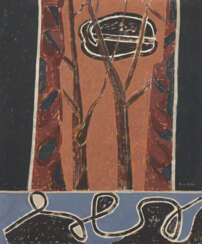

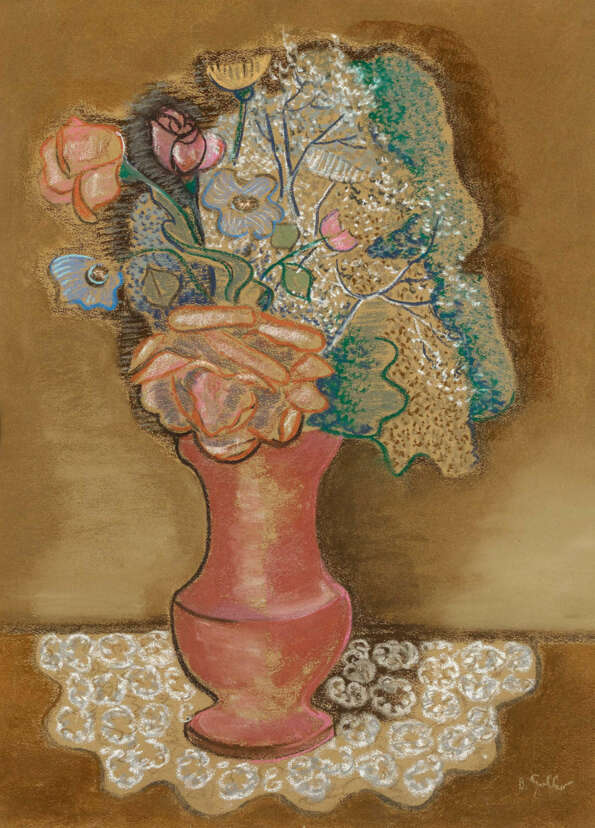
Bruno Goller was a German painter. He received his painting training from the Düsseldorf landscape painter Julius Jungheim. Bruno Goller belonged to the artists' community "Das junge Rheinland", which he joined as early as 1920. In 1928 he participated in the founding of the "Rheinische Sezession".

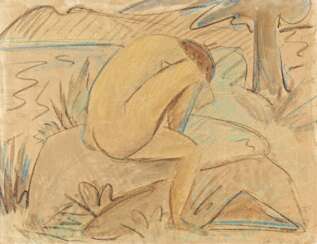

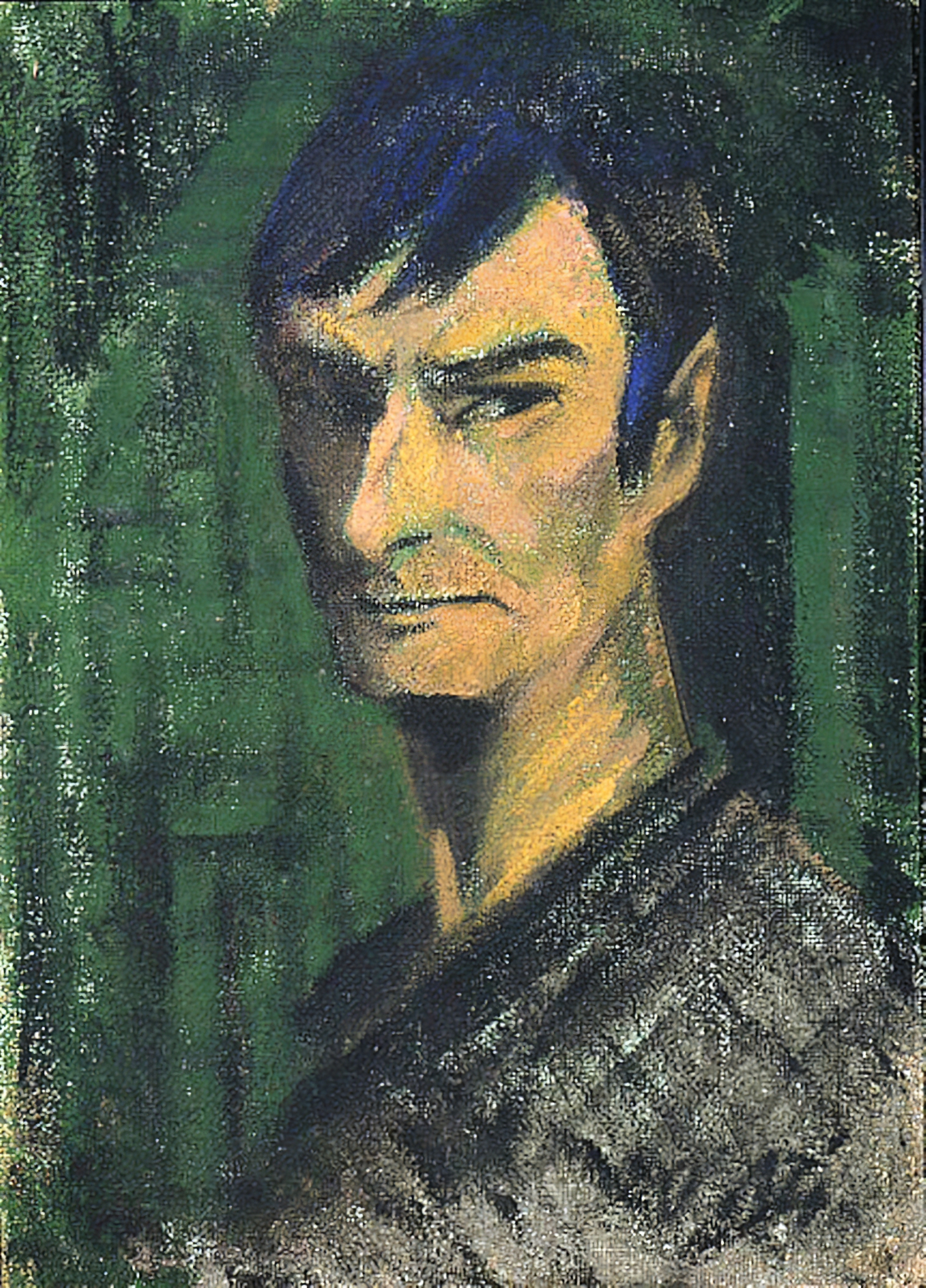
Otto Mueller was a German artist of the first third of the twentieth century. He is known as a painter, graphic artist and printmaker, a representative of German Expressionism, a member of the artists' group "Bridge".
Otto Mueller is considered one of the most lyrical German expressionist painters. His work reflected the unity of man and nature, characterized by simplification of forms, colors and contours. He became famous for his paintings of nude bodies and gypsy women, because of his fascination with which the artist was once nicknamed "Gypsy Mueller".
Mueller preferred to work in tempera on rough canvas, creating a matte surface. His artistic legacy includes 172 works, including lithographs, woodcuts and etchings.






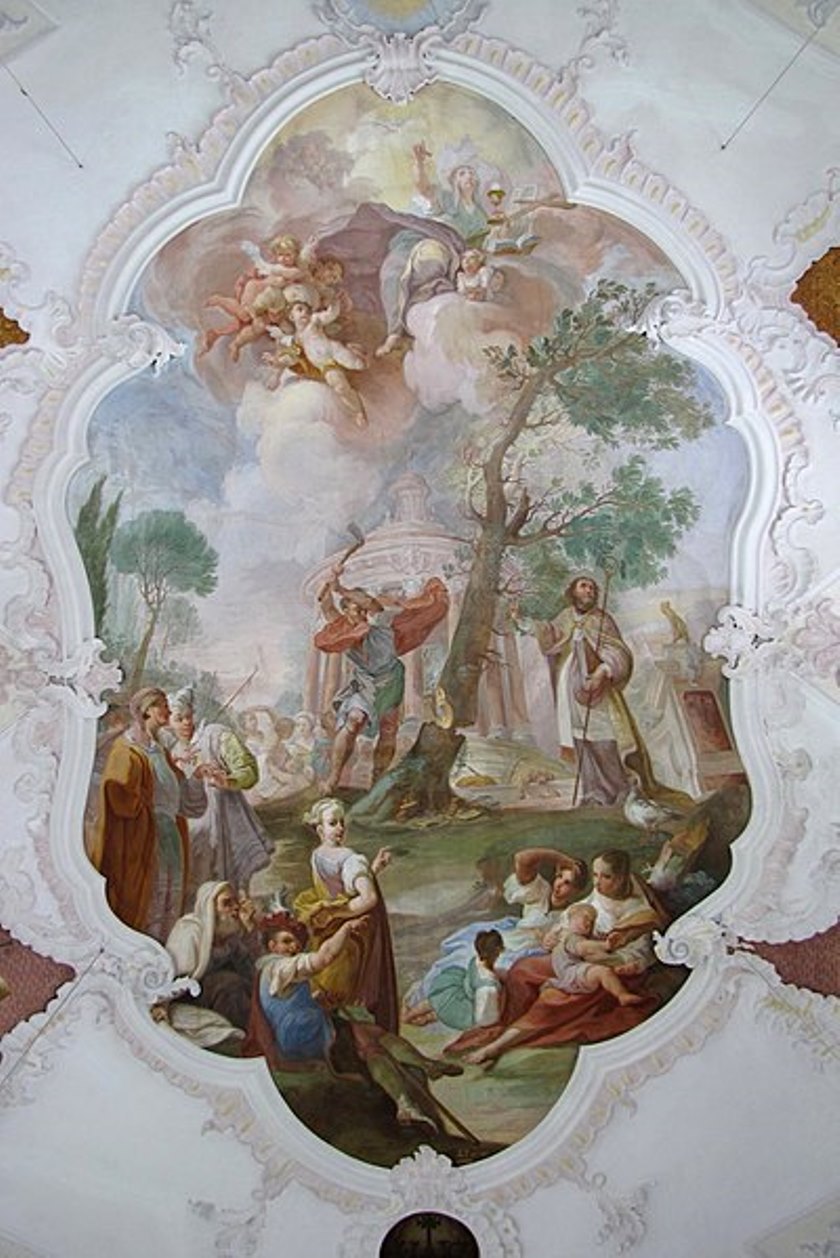
Franz Anton Zeiller was an Austrian artist who worked in the Rococo style. He did church paintings and frescoes.




Hans am Ende was a German Impressionist painter.
In 1889 he co-founded the artists' colony in Worpswede with Fritz Overbeck, Otto Modersohn, and Heinrich Vogeler. In 1895 this group exhibited in the Kunsthalle Bremen and at the Glaspalast in Munich, which brought them national recognition. In 1900 the poet Rainer Maria Rilke travelled to Worpswede and befriended the artist's colony, eventually writing essays about each of its members.